Building or remodeling a veterinary clinic in Virginia isn’t just about walls, floors, and ceilings. It’s about creating a space that supports animal care, staff efficiency, and client comfort. Pets and their owners expect a welcoming, safe, and functional environment, while veterinarians need operational workflows that allow them to deliver care efficiently.
Veterinary clinic construction in Virginia combines medical-grade standards with pet-friendly design elements. From material selection to ventilation, every detail impacts hygiene, patient safety, and staff productivity. This guide explores best practices for building or renovating a veterinary facility that works for animals, owners, and professionals alike.
Why Veterinary Clinic Construction Matters
A veterinary clinic isn’t just a workplace; it’s a place where health and comfort meet. Poor design can create stress for pets, increase workload for staff, and even compromise hygiene. Investing in professional veterinary clinic construction ensures that the facility supports both patient care and staff performance.
Thoughtful construction creates safer spaces, improves workflow, and enhances the client experience. Proper planning also helps reduce long-term maintenance costs. A well-built clinic reflects professionalism and shows clients that their pets are in good hands.
Planning Your Veterinary Facility Remodel
Assessing Your Clinic’s Needs
Every veterinary facility has unique requirements. Consider the number of examination rooms, surgical suites, and specialized areas for diagnostics or isolation. Understanding your clinic’s goals guides contractors in designing a space that meets operational needs.
Evaluating Existing Spaces
If you’re remodeling, assess the structural integrity of your facility. Check plumbing, electrical systems, and ventilation to ensure they meet modern healthcare standards. ADA compliance and safety regulations must also be evaluated before construction begins.
Budget and Timeline Considerations
Set a realistic budget that includes construction costs, permits, equipment, and contingency funds. Establishing a timeline helps minimize disruption to patient care. For active clinics, phased construction can allow certain areas to remain operational.
Infection Control and Safety in Veterinary Clinics
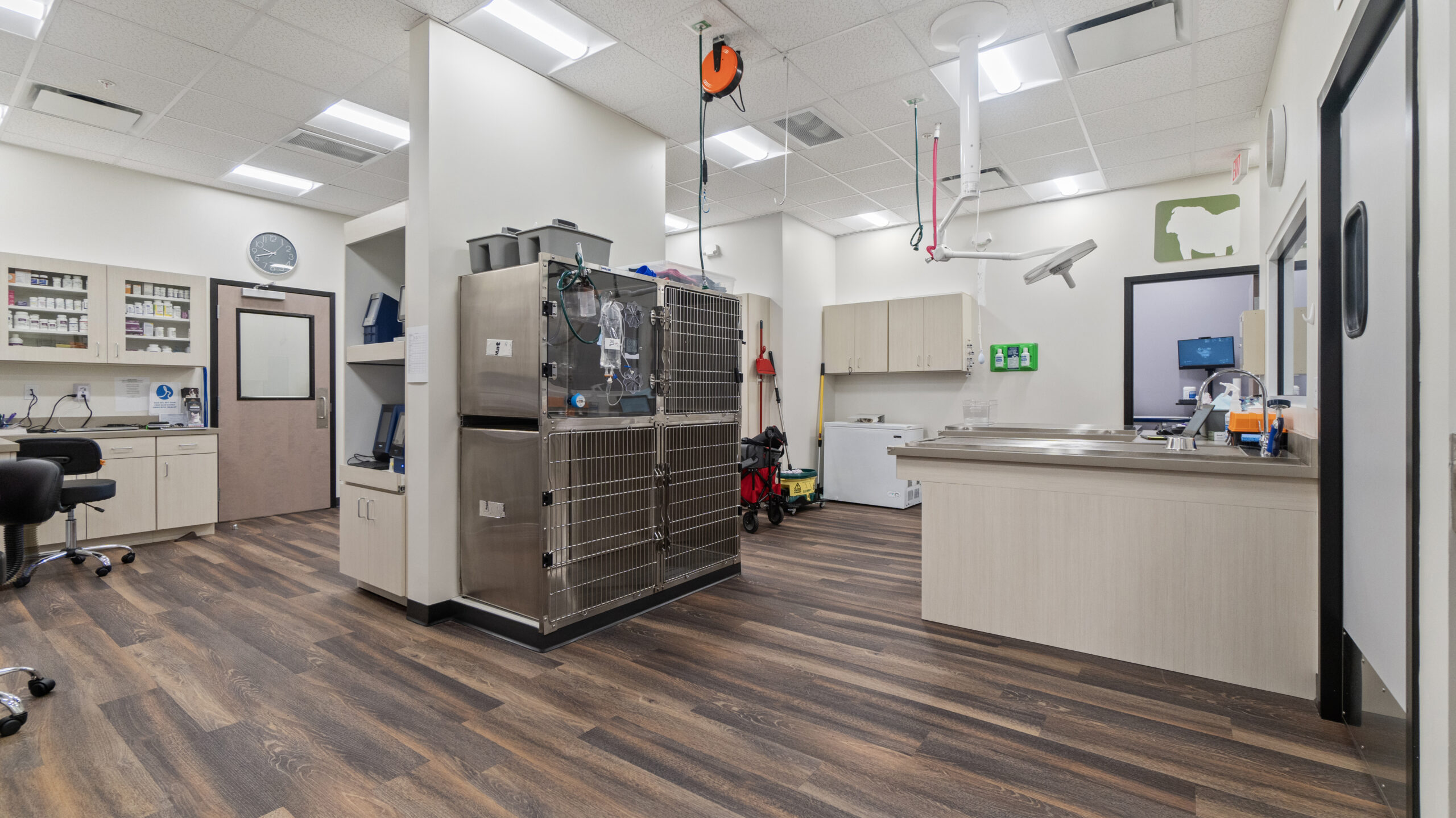
Infection control is crucial in veterinary facilities, just as in human healthcare settings. Surfaces, layouts, and ventilation all contribute to hygiene. Non-porous countertops, seamless flooring, and easy-to-clean kennels reduce bacterial buildup. Properly designed ventilation systems maintain airflow and reduce the spread of airborne pathogens, especially in surgical or isolation areas. These measures protect both animals and staff while ensuring regulatory compliance.
Workflow Design for Staff Efficiency
Efficient workflow supports both patient care and staff productivity. Operatories, surgical rooms, and labs should be arranged logically to minimize unnecessary movement. Staff pathways should be separate from client areas to reduce congestion and stress. When combined with functional layouts, clear signage, and adequate storage, workflow design enhances both safety and efficiency.
Pet-Friendly Clinic Design
Creating Calm Environments for Animals
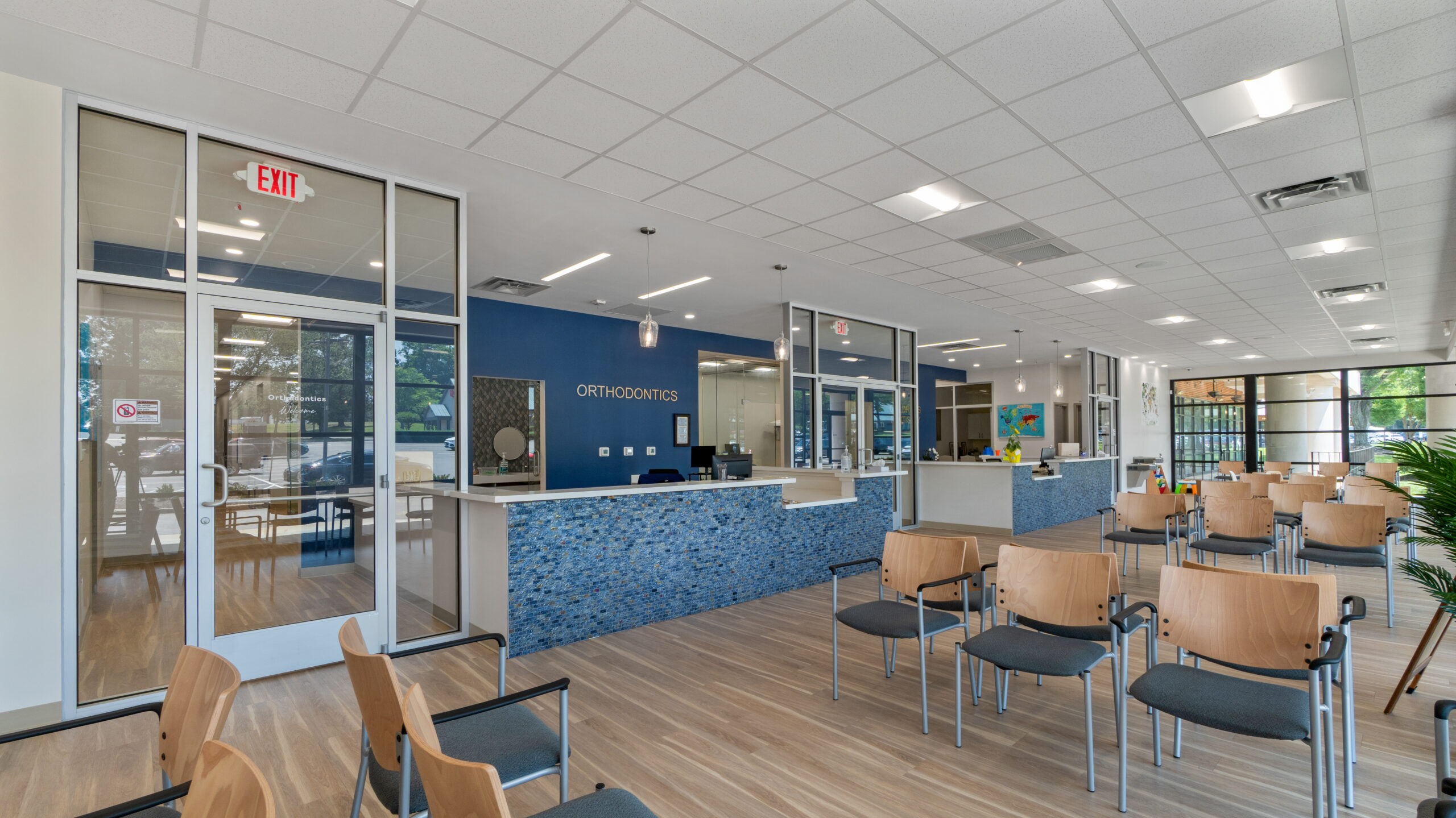
Animals respond to their surroundings, so a calm clinic is critical. Comfortable waiting areas, noise reduction strategies, and natural lighting can reduce stress for pets. Using non-slip flooring and smooth surfaces also supports safety and hygiene.
Separation of Patient Areas
Separating dogs, cats, and small animals reduces stress and prevents cross-species contamination. Isolation rooms for sick or contagious animals are essential for both infection control and patient safety.
Lighting and Acoustics
Proper lighting allows staff to perform procedures accurately while soft ambient lighting in waiting areas comforts owners and pets. Acoustic planning reduces disruptive noise from barking or equipment, creating a more relaxed environment.
Choosing Materials for Hygiene and Durability
Material selection plays a major role in veterinary clinic construction. Surfaces must resist bacteria, be durable, and allow easy cleaning. Non-porous countertops, antimicrobial wall coatings, and seamless flooring support infection control. Stainless steel fixtures, glass partitions, and sealed cabinetry improve hygiene while remaining functional for staff. Investing in high-quality materials ensures safety, efficiency, and reduced maintenance costs over time.
HVAC and Ventilation for Safe Clinics
Proper airflow is critical in veterinary clinics. HVAC systems should include HEPA filtration and maintain airflow patterns that reduce contamination risks. Negative air pressure in isolation areas helps contain pathogens. Regular monitoring ensures air quality remains within safe limits, protecting both staff and patients.
Future-Proofing Your Veterinary Facility
Planning for future growth is essential. Flexible operatories allow adaptation to new equipment or procedures. Integrating technology for diagnostics, patient records, and telemedicine improves efficiency. Sustainable construction practices, like energy-efficient lighting and water-saving fixtures, reduce operating costs. Thoughtful space optimization ensures the clinic can expand without major renovations, saving time and money in the long term.
Final Thoughts
Veterinary clinic construction in Virginia is an investment in animal care, staff efficiency, and client satisfaction. Thoughtful planning, infection-controlled design, high-quality materials, and skilled contractors create spaces that work for pets, owners, and professionals alike.
A well-designed veterinary clinic reduces stress for animals, streamlines staff operations, and ensures compliance with healthcare standards. Every detail—from flooring to ventilation—contributes to a safer, more functional, and welcoming environment. Properly constructed facilities not only support immediate care but also future-proof your practice for years to come.
Frequently Asked Questions (FAQs)
How long does veterinary clinic construction in Virginia take?
Construction usually takes between three and nine months. Timelines depend on the clinic’s size, complexity, and any remodeling requirements.
Can remodeling be done while the clinic operates?
Yes, remodeling can proceed in phases. Temporary barriers and careful scheduling keep parts of the clinic functional for patients and staff.
How much does veterinary clinic construction cost?
Costs vary depending on size, materials, and equipment. Always include permits and contingency funds when planning your budget.
What design features reduce stress for pets?
Separate patient areas and quiet spaces help animals feel calmer. Natural light, soft colors, and comfortable flooring also reduce anxiety.
Why hire a contractor experienced in veterinary facilities?
Specialized contractors know infection control, workflow planning, and healthcare regulations. Their expertise ensures a safe, efficient, and functional clinic.